
If plaque is not removed, it irritates the gums: they turn red, swell, become sore and bleed — when you brush, floss or eat hard food such as an apple.
03
Gums · 6 minutes
Bleeding gums: a signal not to ignore
Gums usually bleed because of plaque — a sticky layer of bacteria on the teeth and along the gumline. Blood when you brush or clean between your teeth is usually an early warning sign of gum inflammation (gingivitis). The site helps you build a hygiene routine but does not make a diagnosis.
At least twice a day, with fluoride toothpaste, for about two minutes. Pay attention to the gumline: move a soft toothbrush along the edge of the gum with short strokes, without force. After brushing, spit out and do not rinse.
LACALUT Expert aktiv has soft multi-level PBT SOFT 0.15 mm bristles with tapered tips and silver ions. The pack says: “suitable for inflamed and bleeding gums, gently cleans the enamel”.
A toothbrush does not fully clean the spaces between the teeth. Clean them once a day with floss or interdental brushes. The brush is chosen by the size of the gap: it should fit snugly but go in without force. For narrow gaps and braces — LACALUT interdental Micro (1.1–1.2 mm) and Nano (0.7–0.8 mm).
Smoking is one of the risk factors for gum disease.
Make an appointment if your gums bleed when you brush, are sore and swollen, or you have bad breath. Urgently — if your gums are very sore and swollen or your teeth become loose.
Suitable LACALUT products
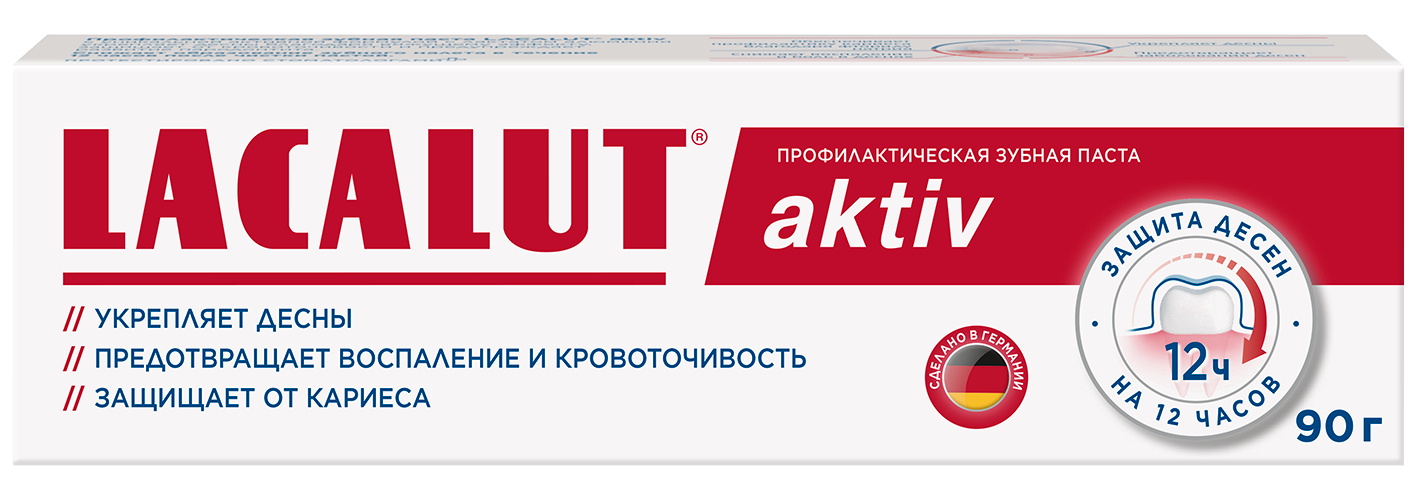 LACALUT aktiv
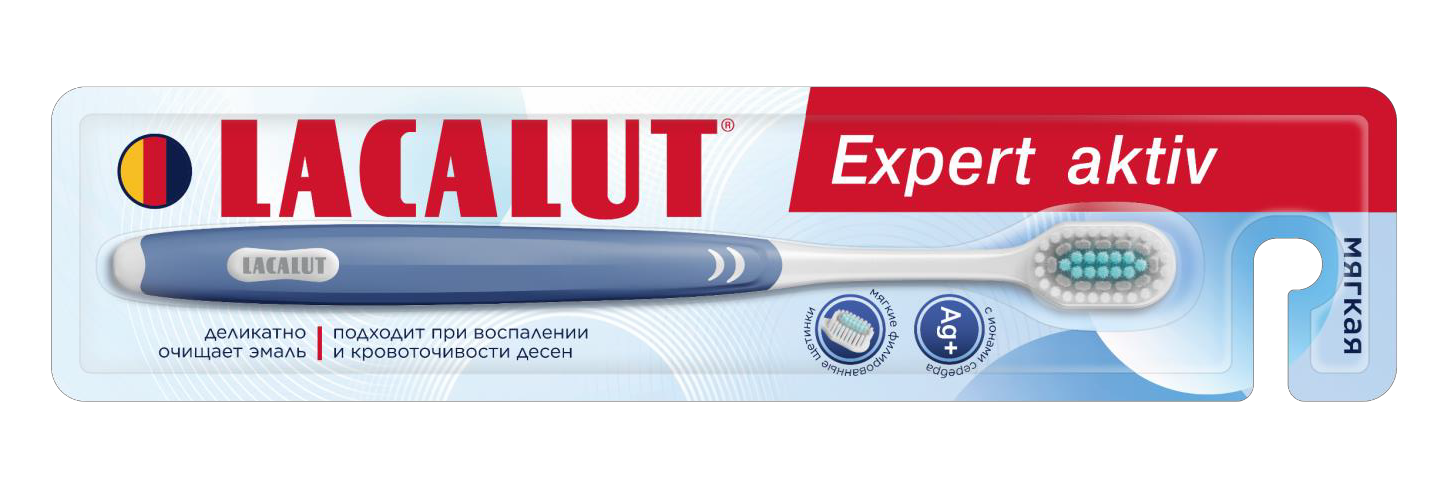 LACALUT Expert aktiv
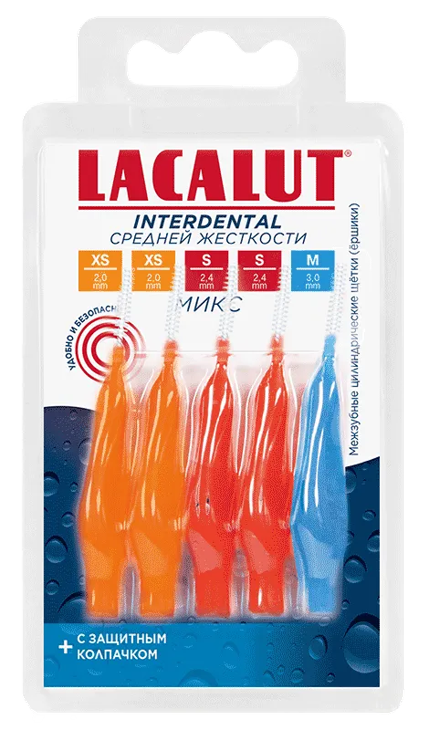 LACALUT interdental
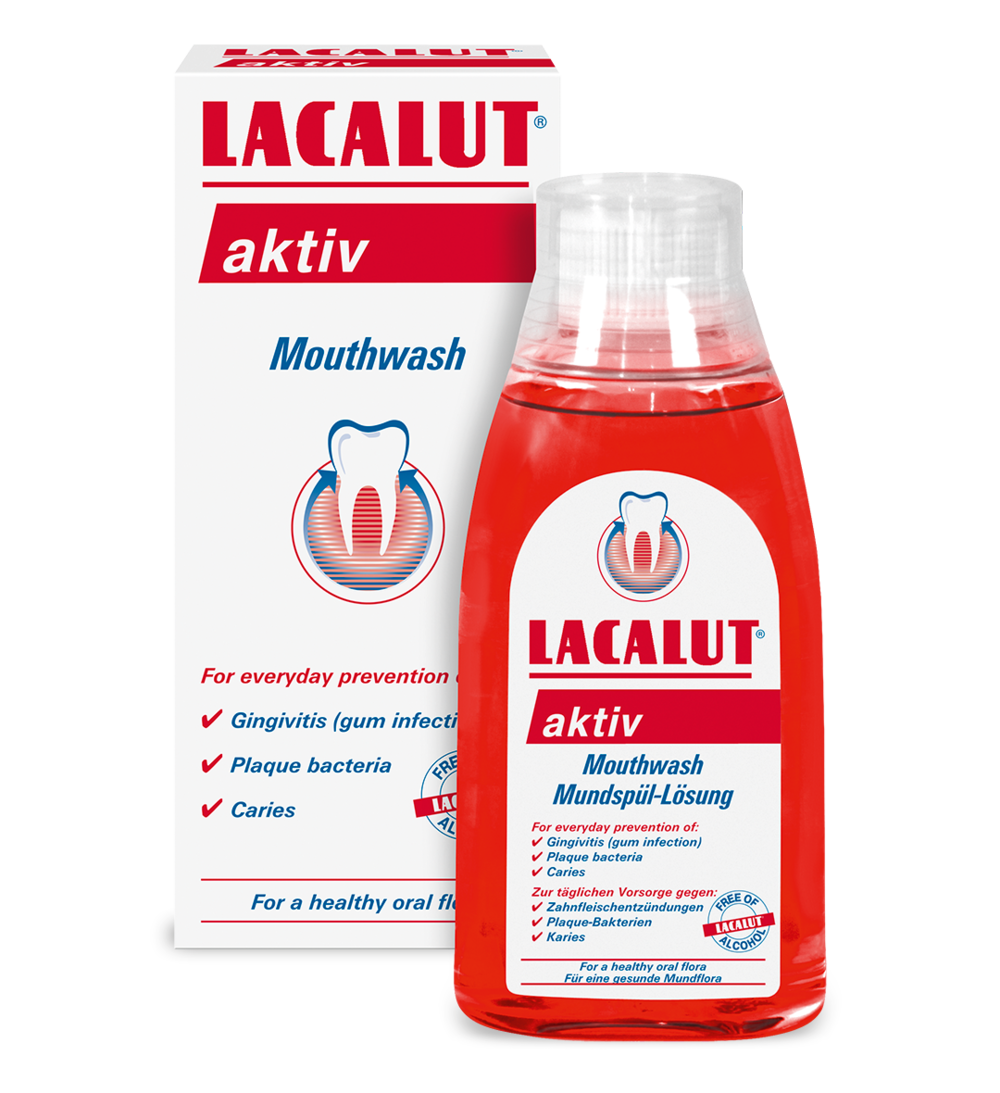 LACALUT aktiv
What to do
Twice a day — a soft toothbrush along the gumline; once a day — floss or an interdental brush. If the bleeding does not stop, or your gums are sore or swollen — see a dentist.
SourcesNHS: Gum disease ↗Oral Health Foundation: Gum disease ↗ADA MouthHealthy: Gum disease ↗NHS: How to keep your teeth clean ↗ADA: interdental cleaners ↗
This article helps you find your way in preventive care and does not replace diagnosis, treatment or individual advice from a dentist.
All articles